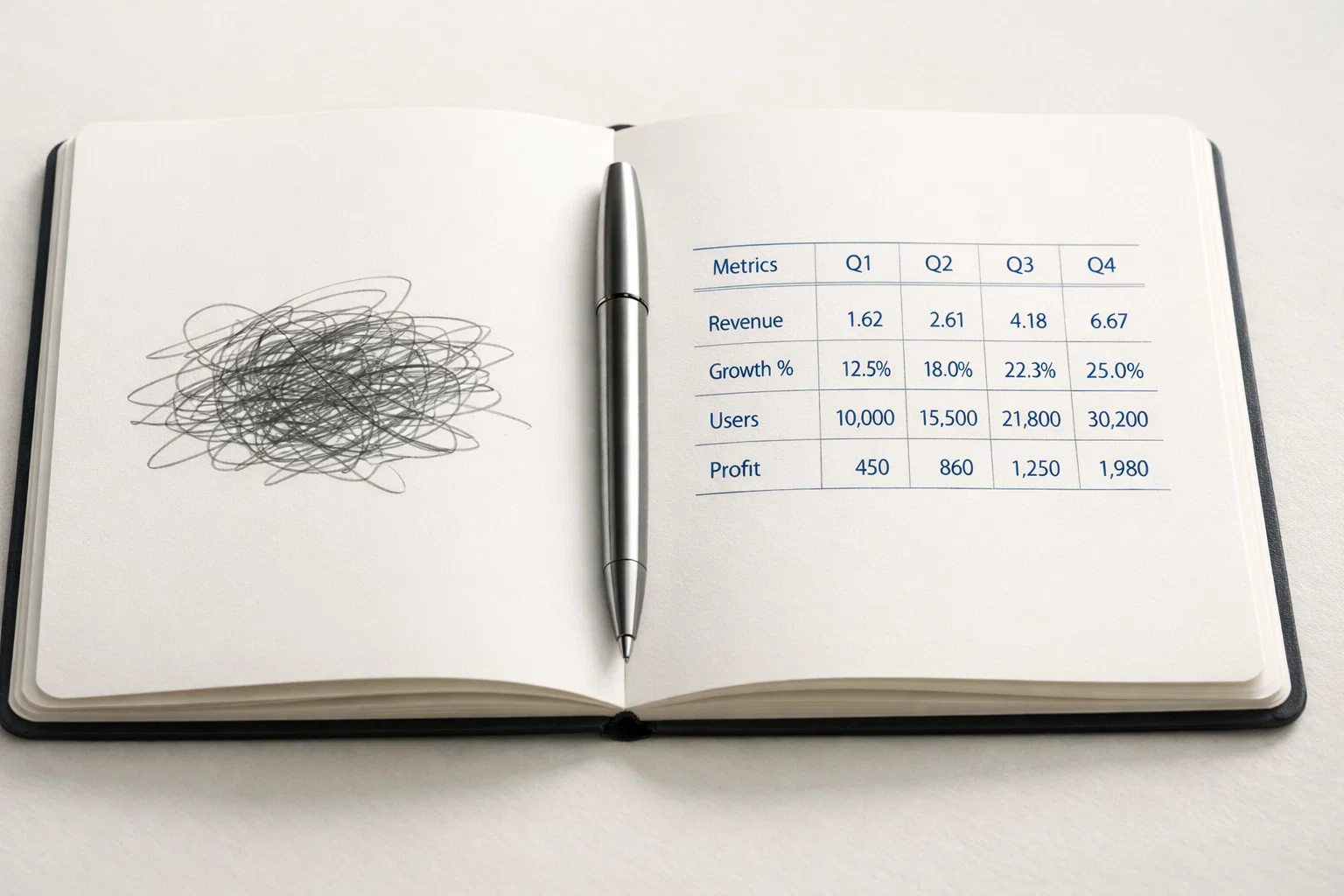
For nearly a century, the CV has been a chronological list of titles and dates. It told a story of steady, linear progress within a single industry. But in 2026, the linear career is a thing of the past. As people live longer and industries change faster, "career pivoting" has become the norm. To stand out today, your CV must move beyond the timeline. It must become a "Proof of Work" portfolio that highlights your skills, your adaptability, and your results. Employers are no longer interested in where you have been; they are interested in what you can achieve for them tomorrow.
The "Skills-First" architecture
In 2026, recruitment systems are designed to match candidates to roles based on competencies rather than job titles. This satisfies the human need for justice and meritocracy. To align with this, your CV should lead with a "Core Competencies" section. Group your experience by skill, such as "Strategic Problem Solving" or "Digital Product Management", rather than by employer. This allows you to show "mastery" across different contexts and makes it easier for both AI and human recruiters to see your value. It moves the focus from "tenure" to "talent."
Achievement as Identity
Embracing the "Spiky" career path
If you have taken a career break to learn a new skill, raise a family, or travel, do not hide it. In 2026, these are seen as "growth periods" that build resilience and perspective. This satisfies the candidate's need for self-actualisation. Treat these periods as "roles" in your portfolio. Explain what you learned and how it contributed to your professional status. A "spiky" CV shows that you are a proactive learner who can navigate change. This provides the employer with the security of knowing you can handle the non-linear challenges of the modern workplace.

Building a "Proof of Work" portfolio
For many roles, a text-based CV is insufficient. Whether you are in marketing, sales, or operations, you should have a digital portfolio that contains "work samples." This might include case studies, links to public projects, or a short video explaining a complex problem you solved. This level of evidence provides the "technical security" that hiring managers crave. It moves the conversation from "telling" to "showing." By providing documented proof of your achievements, you build a sense of esteem and recognition that a traditional CV simply cannot match.
““In 2026, your portfolio is your reputation; your CV is just the index.””
Quantifying impact over duties
Stop listing your responsibilities and start listing your results. Instead of "managed a team of ten," say "increased team productivity by 20% through the implementation of new workflow tools." This shift satisfies the organisational need for achievement and growth. It shows that you understand the business value of your work. By quantifying your impact, you make it much easier for the hiring manager to justify hiring you. You are providing them with the "defensibility" they need to make a confident offer.