Google Workspace Exclusive
Interviewers

The danger of hiring middle managers too late

Why the "flat hierarchy" you loved as a startup will eventually become a bottleneck that prevents your scale-up from growing.

UPDATED January 20266 min read
The danger of hiring middle managers too late

Startups pride themselves on being "flat." They love the idea that anyone can talk to the CEO and that there are no layers of bureaucracy. While this works at a team of fifteen, it is a recipe for disaster at fifty. Many scale-ups wait far too long to hire professional middle managers, fearing that it will "slow things down." In 2026, we are seeing that the opposite is true. The "management gap" is the single greatest cause of slow hiring, delayed decisions, and employee burnout. Without a layer of competent middle management, the founders become the bottleneck for every decision, and the front-line employees are left without the support they need to succeed.

The burnout of the "Hands-On" founder

When a founder tries to manage twenty direct reports, they are doing a disservice to all of them. They cannot provide the coaching, feedback, or career development that high-performers require. This leads to a state of professional instability for the team. Employees begin to feel neglected, and the quality of their work suffers. This lack of management satisfies no one’s need for growth or achievement. In 2026, the best scale-up leaders are those who recognise when they are no longer the best person to lead the day-to-day operations. Hiring middle managers is not about adding bureaucracy; it is about adding the support structure that allows everyone else to work at their full potential.

Bridging the gap between vision and execution

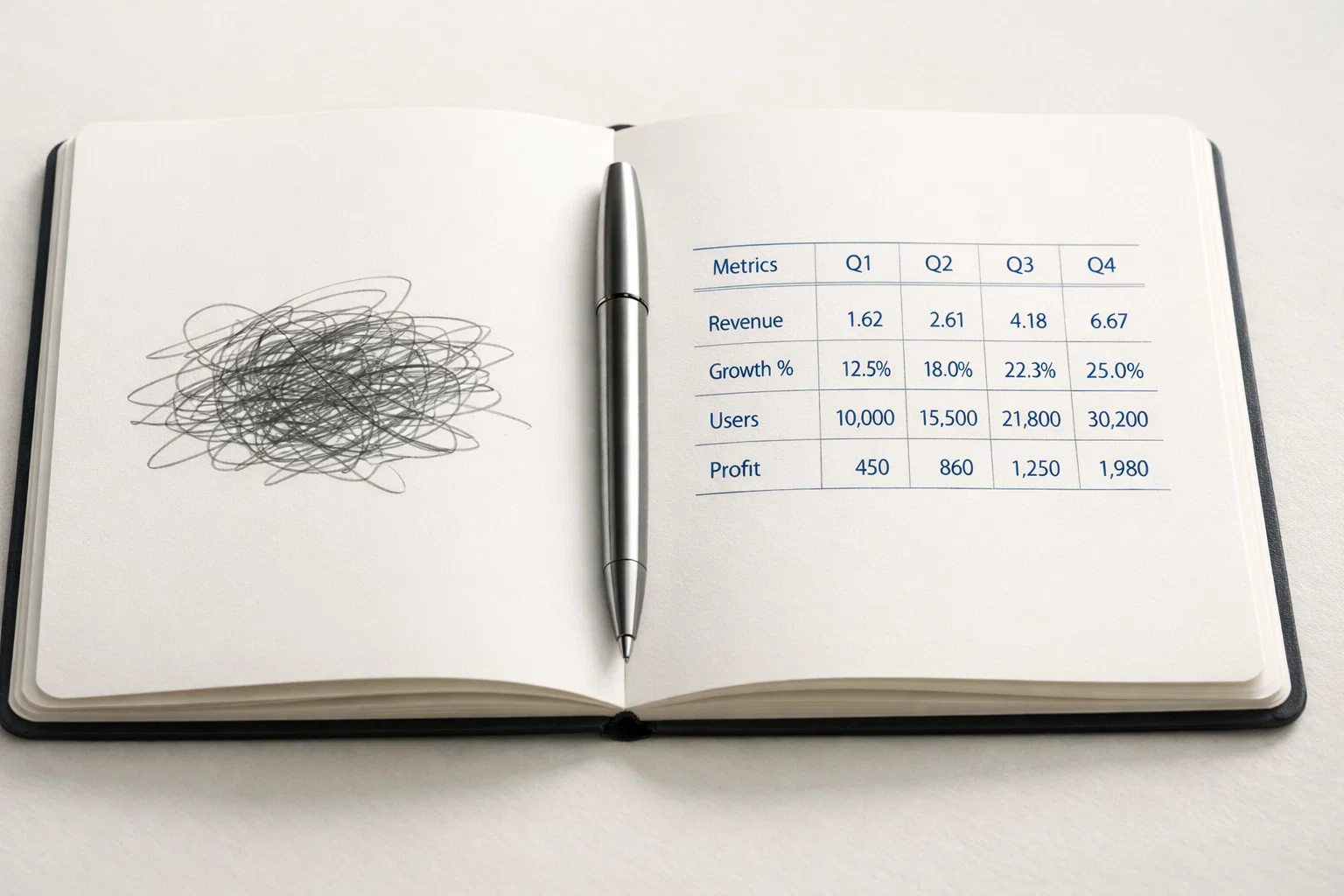
Diagram showing the strategic role of middle management in a scale-up.

Middle managers are the translators of an organisation. They take the high-level vision from the founders and turn it into actionable plans for the team. Without this layer, the vision often gets "lost in translation," leading to wasted effort and inconsistent results. This satisfies the organisational need for mastery and status. When a team has a dedicated manager who can focus on their growth and clear their obstacles, they are far more likely to achieve their goals. By hiring managers who are experts in "people operations," you are providing your team with the stability they need to stop reacting and start performing.

Avoiding the "Promotion Trap"

““Middle management is the nervous system of a scale-up; if it’s missing, the brain can’t tell the body what to do.””

A common mistake in scale-ups is promoting the best "doer" to manager simply because they are the most senior. Being a great coder does not mean you will be a great engineering manager. In 2026, successful companies use a separate "Technical Track" and "Management Track" to ensure that people are promoted based on their actual competencies. This reduces the risk of poor interview quality and unfair decisions within the team. By hiring professional managers who want to lead people, you satisfy the team's need for belonging and connection. They feel seen and supported by someone who actually values the craft of management.

Standardising the management interview

Hiring for management requires a different set of evaluation tools than hiring for technical roles. You must test for emotional intelligence, conflict resolution, and the ability to coach others. In 2026, scale-ups are using "Role Play" interviews where candidates have to handle a simulated performance review or a team conflict. This structured approach provides the data needed to make a defensible hiring decision. It ensures that you aren't just hiring for "seniority," but for the specific leadership skills that will allow your company to scale. This transparency builds trust and status within the organisation.

The shift from "Manager" to "Coach"

The modern middle manager in a scale-up is not a "boss" in the traditional sense; they are a coach. Their job is to remove friction, provide clarity, and help their team reach the self-actualisation phase of Maslow’s hierarchy. This shift is essential for retention in 2026. Employees don't leave companies; they leave bad managers. By investing in high-quality middle management early, you are building a resilient foundation that will sustain your growth for years to come. You are moving from a "founder-led" company to a "system-led" company, which is the ultimate goal of any successful scale-up.

Pro tip
Use the "Rule of 7." If a manager has more than seven direct reports, their ability to provide high-quality coaching drops significantly. This is your signal to hire or promote a new manager.

Good management provides the connection and belonging that employees need to feel part of a team. Without it, they feel like isolated individuals in a sea of growth.

Standardise your hiring process

Start using Maslow to bring structure and evidence to every interview.

Related next steps

Give fast-growing teams more structure without slowing down

Use the article to frame the problem, then connect it to the guide, the calculator, and the Interview Operating System.

Interview insight for candidates and interviewers

Clear thinking on interviewing well, from both sides of the table. No noise. No hype.

We'll only use your email to share new Maslow articles. Unsubscribe at any time. Privacy policy.

More on this topic